
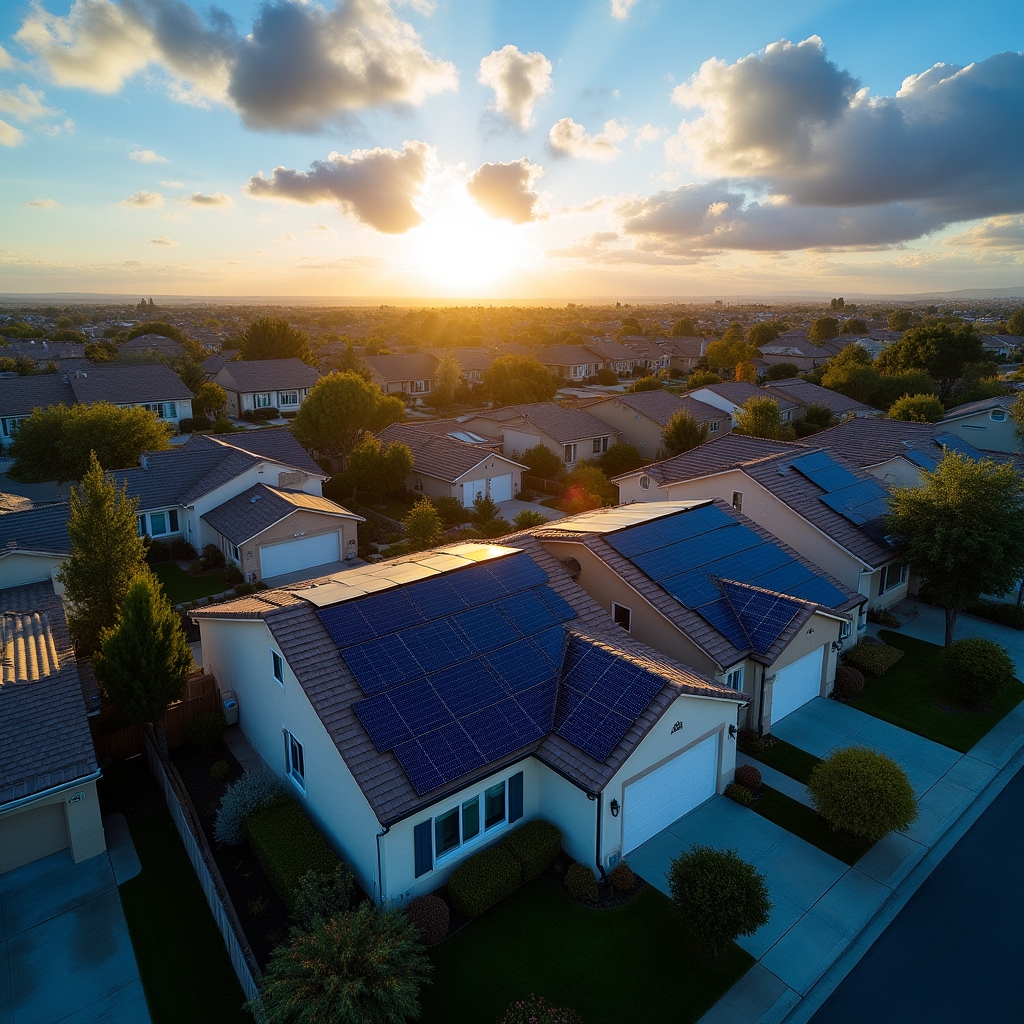
Understand Solar
Before You Decide
How photovoltaic systems actually work. What makes them perform well or poorly. And the exact questions worth asking any installer you meet.
Most homeowners go into solar conversations unprepared
Installers speak in watts, inverters, and tilt angles. Salespeople talk savings. Neither one always takes time to explain the underlying technology first.
Luxuju exists to close that gap. We break down photovoltaic science into plain language so you can walk into any consultation knowing what to listen for, what to question, and what actually matters for your specific roof and energy use.
About our approach
How a photovoltaic system actually works
Four interconnected components. Understanding each one changes how you evaluate any proposal.
Solar Panels
Photovoltaic cells absorb photons from sunlight and release electrons, generating direct current (DC) electricity. Panel efficiency, cell type, and shading all affect output significantly.
The Inverter
DC electricity from panels is converted to alternating current (AC) by an inverter. String inverters handle the whole array; microinverters work panel by panel. The choice affects performance under shading.
Storage (Optional)
Battery systems store excess energy generated during peak sun hours. This lets you use solar power after dark or during grid outages. Chemistry, capacity, and cycle life vary widely between products.
Monitoring
Modern systems include monitoring hardware that tracks production, consumption, and system health in real time. This data helps identify underperforming panels early and verify expected output.
Performance factors every homeowner should know
Roof orientation changes everything
South-facing roofs in the northern hemisphere receive the most direct sunlight throughout the day. But east and west-facing installations still generate substantial electricity, particularly when split across both sides of a roof.
Tilt angle matters too. The ideal angle roughly matches your geographic latitude. A flat roof allows adjustable mounting frames. A steeply pitched roof might need analysis to confirm it is not over-tilted for your location.
An experienced installer should provide a solar irradiance map specific to your address, not just a generic estimate.

Shade is more damaging than most people realize
Even partial shade on a single panel can reduce output from an entire string of panels when using a string inverter. This is because panels in a series configuration are limited by the weakest link.
Sources of shading include chimneys, neighboring trees, satellite dishes, and other roof structures. Seasonal changes shift shadow angles significantly. A proper site assessment includes shade analysis across multiple times of day and year.
Microinverters and power optimizers address this by allowing each panel to operate independently.
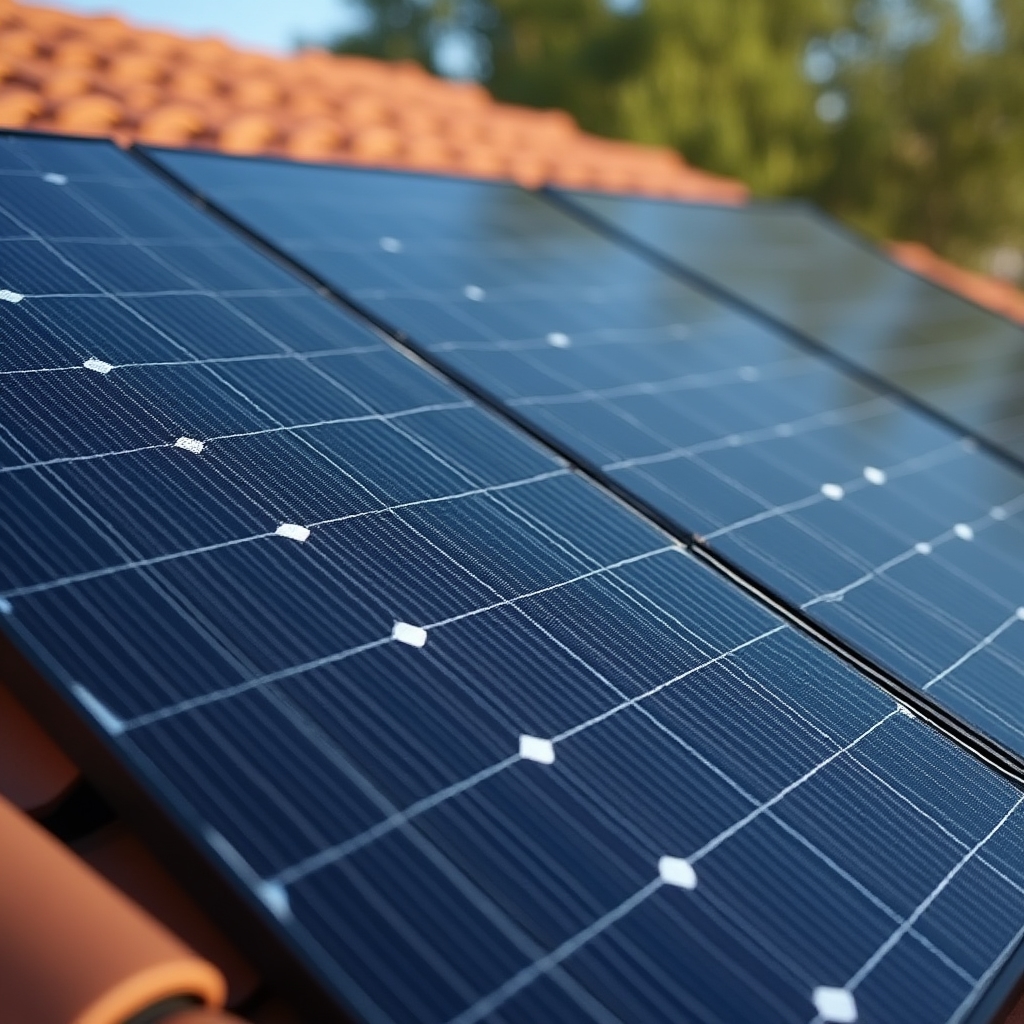
Heat reduces efficiency, not cold
This surprises many homeowners. Solar panels are tested at 25°C and their output declines as temperature rises above that. A panel rated at 400W might produce noticeably less on a very hot summer afternoon than on a crisp, clear winter day.
Each panel has a temperature coefficient listed in its specification sheet. A lower coefficient means less performance loss in heat. Roof mounting height affects ventilation underneath panels, which influences operating temperature.
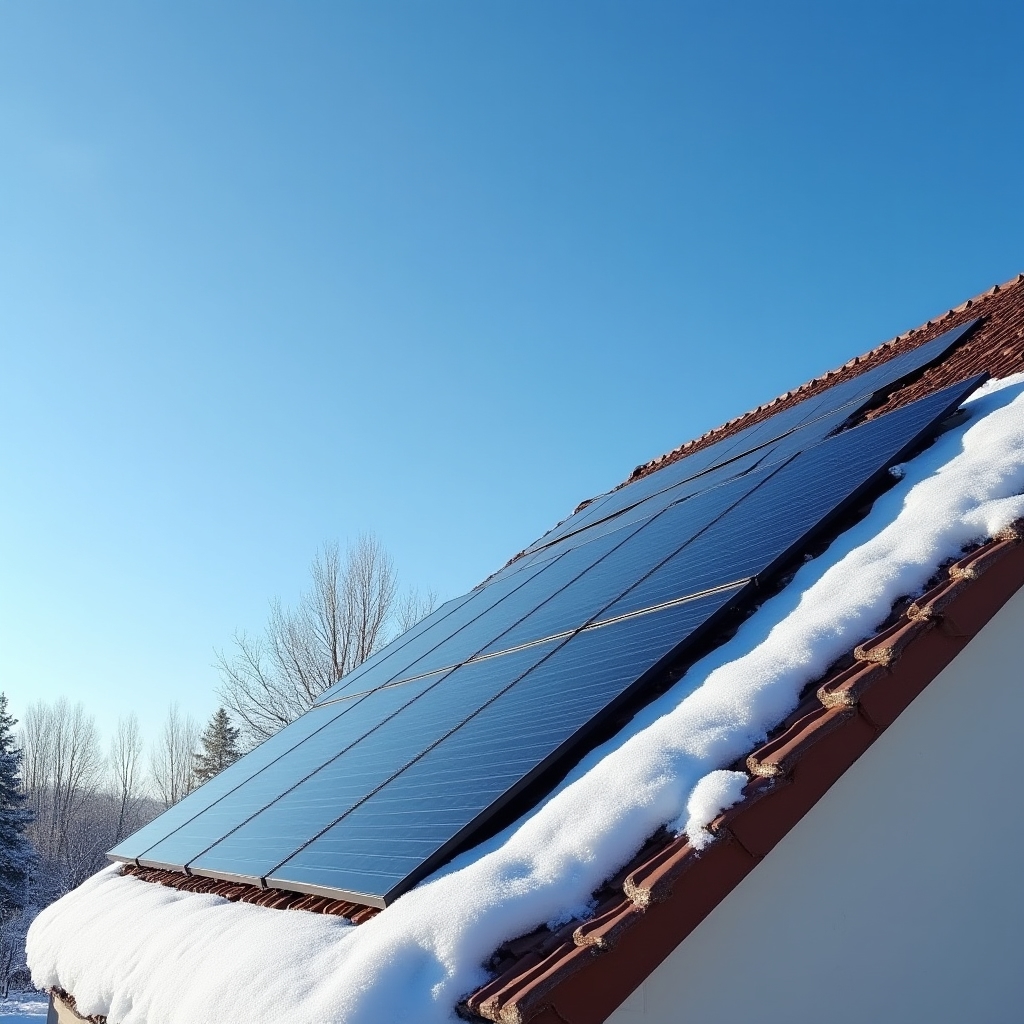
Snow is less of a concern than it appears. Panels shed snow relatively quickly due to their smooth glass surface and slight warmth from even diffuse winter light.
Output declines slowly over time
Solar panels degrade gradually. Quality panels typically degrade at a rate specified in their warranty documentation. This means a panel producing at its rated output today will produce slightly less each following year.
Linear performance warranties guarantee a minimum output level over a defined period, usually 25 to 30 years. Reading the fine print matters. Some warranties guarantee performance to the manufacturer but not necessarily to you as the end owner.
Proper installation minimizes additional degradation sources such as potential induced degradation (PID), which occurs when voltage differences between panels and their frames accelerate cell deterioration.
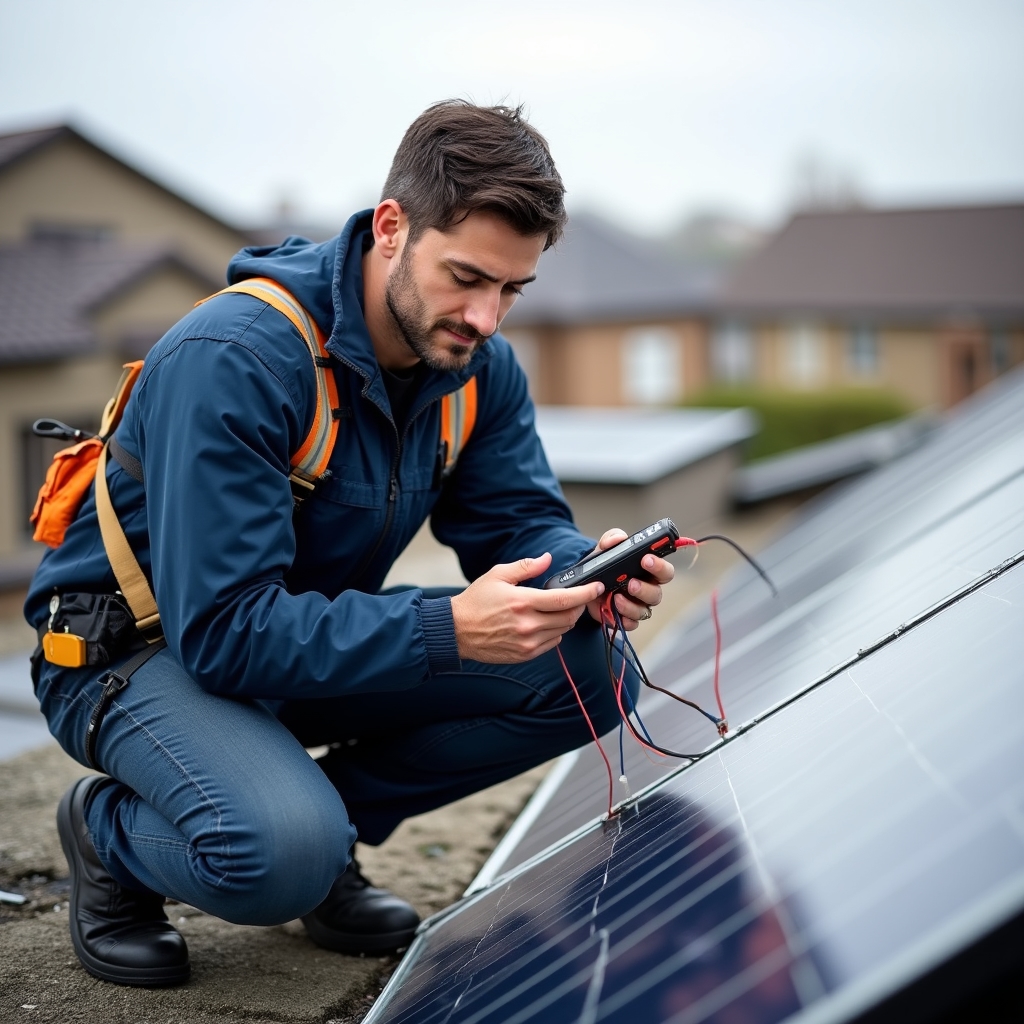
Questions worth asking before you sign anything
A good installer welcomes these. They indicate you have done your homework.
Full Question GuideWhat is the specific panel model and its datasheet?
Generic "Tier 1 panels" claims are not enough. Ask for the exact model so you can verify specifications independently.
How did you calculate the estimated annual yield?
Reputable installers use software tools with local irradiance data. Ask which tool was used and for a copy of the simulation output.
Who holds the product and installation warranties?
If the installer closes their business, who do you contact for warranty claims? Understand the chain before committing.
What maintenance does this system need over time?
Minimal cleaning and periodic inverter checks are typical. Any installer suggesting complex maintenance schedules deserves follow-up questions.
Things homeowners ask us regularly
Yes, though output is reduced. Panels generate electricity from diffuse light, not only direct sunlight. Overcast conditions still produce meaningful electricity, particularly with modern high-efficiency panels. Countries like Germany have extensive solar installations despite their climate, which illustrates this point well.
Monocrystalline panels are made from a single silicon crystal, which gives them higher efficiency and a uniform dark appearance. Polycrystalline panels use multiple silicon fragments fused together, resulting in slightly lower efficiency and a blue, speckled look. The market has largely moved toward monocrystalline technology, including newer PERC and TOPCon variants that improve performance further.
The physical installation of a residential system typically takes one to two days. However, the full process including design, permitting, grid connection approval, and inspection can take several weeks to a few months depending on your local utility and municipality. Ask any potential installer for a realistic project timeline before signing.
Excess electricity flows back into the grid. Depending on your energy agreement with the local utility, you may receive a credit or compensation for this exported electricity. Rules vary significantly by region and utility provider. Understanding the net metering or feed-in arrangement available to you is an important part of evaluating any system proposal.
Modern solar panels are relatively lightweight. A structural assessment is standard practice before any installation. If your roof is nearing the end of its lifespan, it is generally advisable to address roofing work before installing panels, since removing and reinstalling a solar array for roof repairs adds cost.
Often yes, but compatibility depends on your existing inverter. Some inverters are "battery-ready" and accept storage add-ons. Others require a hybrid inverter replacement to integrate battery storage. This is a question worth asking about even if you are not planning to add storage immediately, since future-proofing the system design is worth considering upfront.
Visit or get in touch
We are based in Ústí nad Labem and happy to speak with homeowners who want to understand solar energy before making any decisions.
-
Address
Dobětická 2333
Ústí nad Labem, Czech Republic -
Phone
+420 475 207 228 -
Email
[email protected]